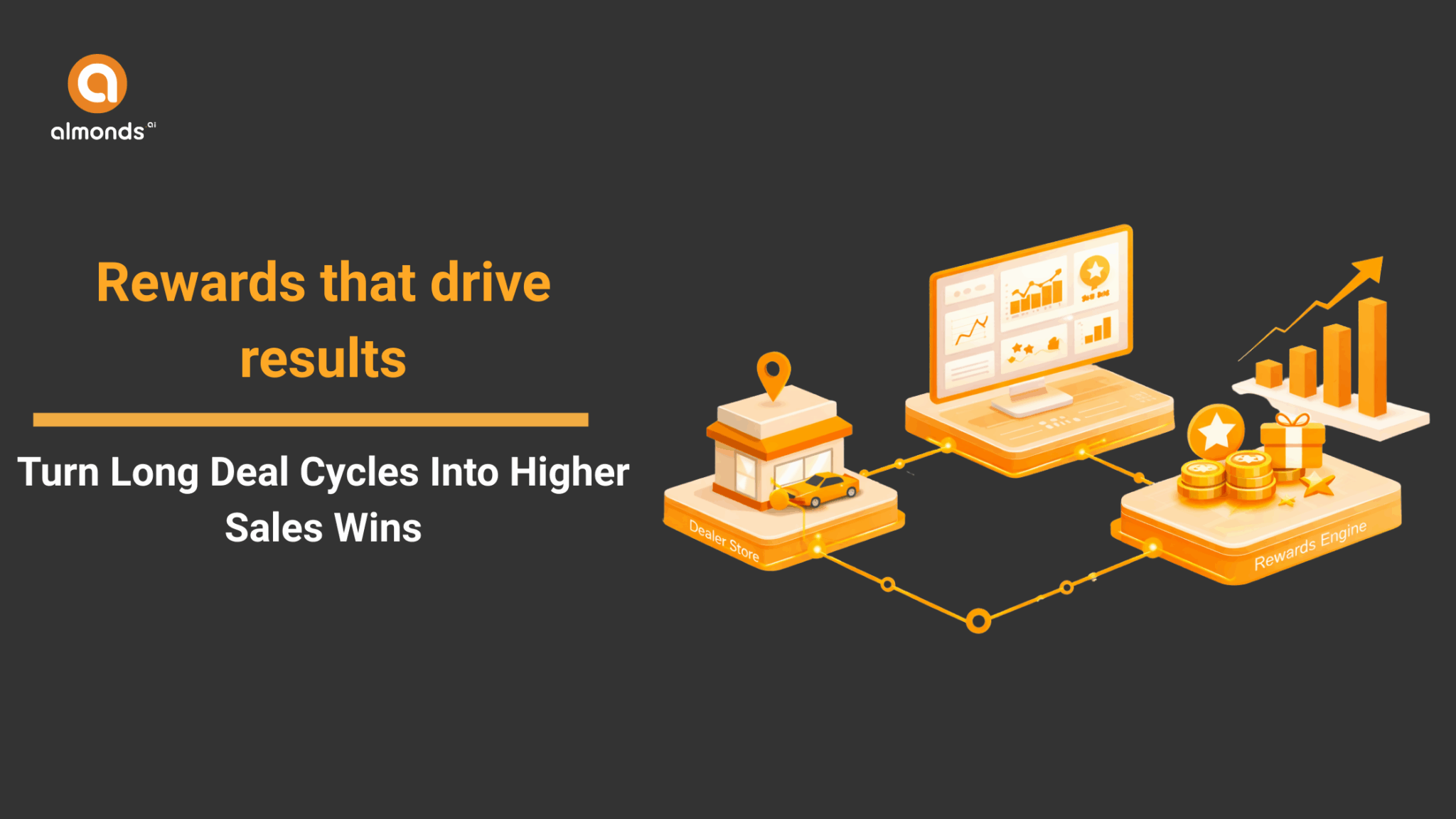

In B2B markets, sales success rarely happens overnight. Deals often involve long sales cycles, multiple stakeholders, layered approval processes, and extended negotiations.
Unlike B2C sales, where transactions are quick and volume-driven, B2B sales demand sustained effort, relationship-building, and consistent follow-ups. In this environment, linking sales performance effectively to B2B rewards programs becomes essential for motivating partners and aligning behaviour with business goals.
When designed correctly, rewards programs help brands encourage the right actions at the right stages of complex deal cycles without relying only on short-term incentives.
Exploring Complexity in B2B Deal Cycles
The average B2B deal cycles are complex and take a number of steps, which may include lead qualification, solution customization, internal approvals, pilot implementations, and final deals. The sales results are based not only on the closing but also on the pipeline creation, product positioning, and account nurturing.
Such environments do not work with traditional incentive models that reward final sales value only. They do not pay attention to the work done at the early and middle funnel stages. This is where the structured B2B rewards programs are pivotal in acknowledging performance through the whole sales process.
Why Does Sales Performance Require a Wider Definitional Change?
Conventional sales measures are no longer sufficient
In sophisticated B2B situations, the success of sales cannot be calculated by deals closed or quarterly revenue. There are long sales cycles and many decision-makers, and it also takes a lot of effort, which is ideally done a long time before a deal is ever made. The brands just needed to concentrate on final outcomes without considering the activities that create momentum and pipeline strength.
Sales effort is not just limited to making a deal
The channel partners and sales teams spend much time on solutions customization, stakeholder engagement, lead qualification, and product demonstrations. These activities have a direct impact on the progress of deals, although they may not lead to revenue generation in the short run. The rewards guarantee equitable performance appraisal and motivation.
Investing in Long-term Business Development
A more expansive definition of sales performance assists the brands to promote behaviors that will enable growth in the long term, such as account nurturing, cross-selling, and customer retention.
It no longer takes the short-term wins but relationship-oriented sales. With the increase in performance metrics, organizations will be able to develop more balanced, realistic, and effective sales strategies that capture the real value generated during the entire sales process.
Going Beyond Revenue-Only Measures
The traditional models of incentives are centered on closed deals and revenue. Revenue issues are important but do not give the entire picture of the hard work done in long B2B sales cycles. Lead follow-ups, product demos, and meetings as well as the submission of proposals are important activities that are not rewarded.
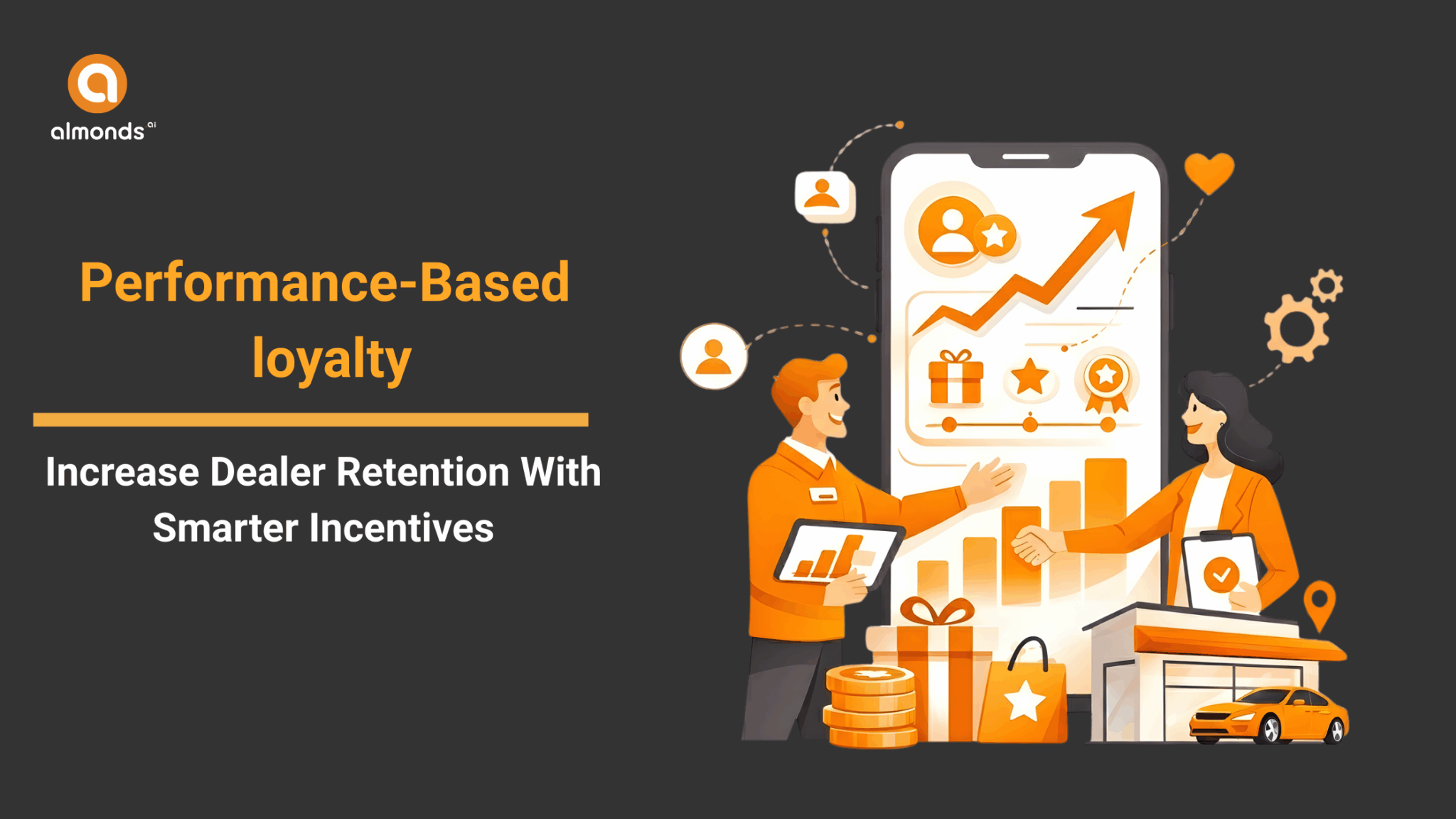
B2B rewards programs use these milestones to ensure that partners are encouraged even before deals are closed. This strategy minimizes idleness, maintains the momentum, and promotes constant participation along the sales process.
Integrating Rewards with Strategic Sales Behaviors
The best rewards should promote the desired sales behaviors. Brands in complex B2B sales must reward early contact with the decision-maker, inter-functional cooperation, priority products, and proper reporting.
Partners can collaborate more strategically when reward programs of B2B are adjusted to these actions. They intend not to push but rather seek to ensure that they do those activities that enhance quality of deals, win rates, and sales cycles.
Tiered and Milestone-Based Rewards
Milestone-based and tiered rewards are effective in many lengthy deal cycles. Rewards are given to partners at various phases besides waiting till a deal closes, i.e., lead qualifications, demos, or timely closures.
This maintains the morale and rewards continuing effort. B2B rewards programs are fair and interesting by rewarding progress. The significance of consistency and commitment is that partners feel appreciated and not just final results.
Using Data and Technology to make Accurate Tracking
The use of manual tracking on complicated sale cycles tends to cause confusion and arguments. Platforms that are technology-enabled address this by integrating with CRM and sales systems.
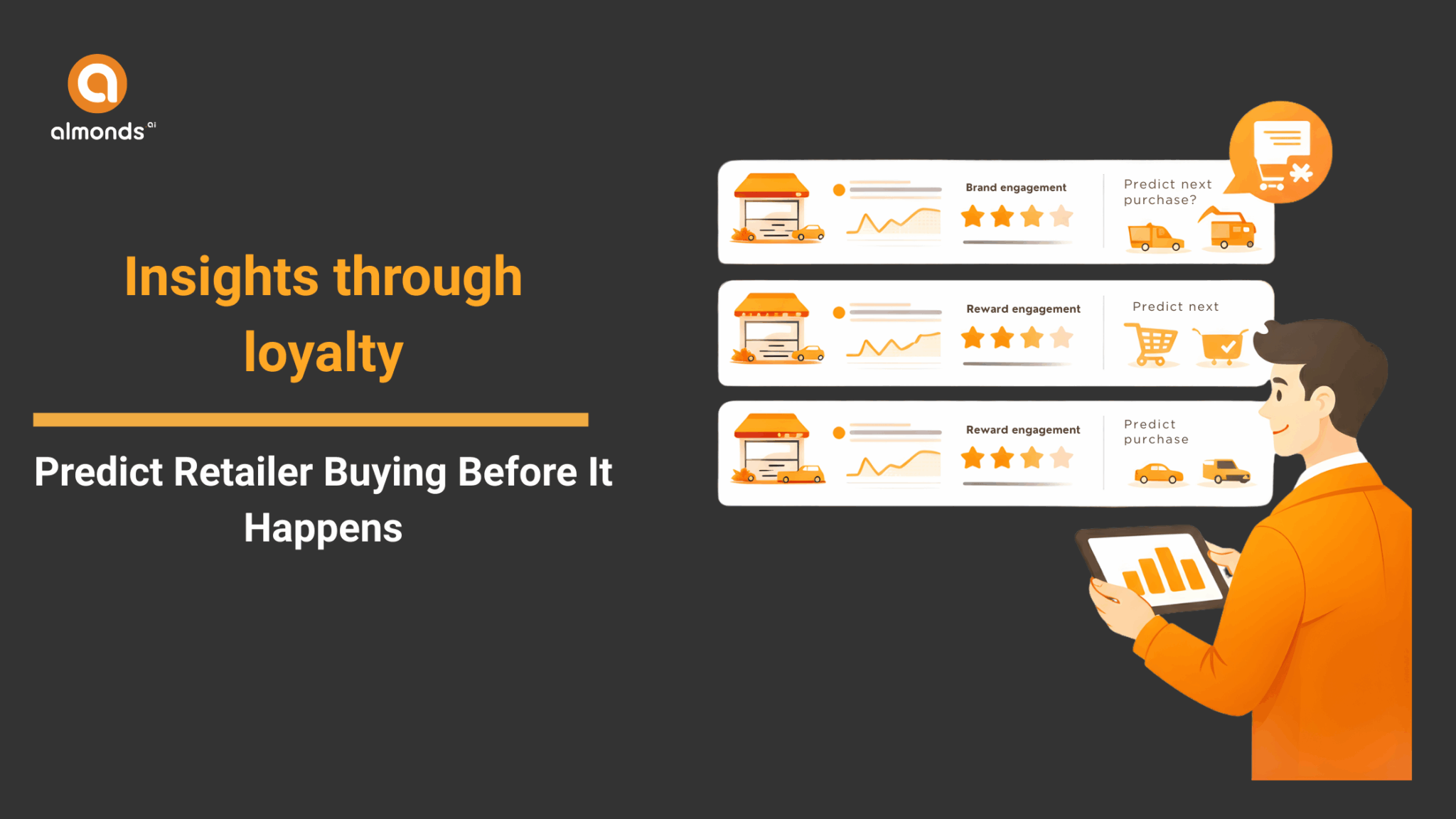
Brands are able to monitor activities in real-time, give actions to appropriate partners, and calculate rewards automatically. Transparency into performance fosters confidence. B2B rewards programs on digital tools are precise, transparent, and easily manageable, resulting in improved participation of partners.
Improving Partner Accountability and Forecasting
Partners have more ownership of their performance when such rewards are tied to quantifiable activities. They maintain pipelines on a regular basis, document interactions, and communicate deal progress with precision.
This openness assists brands to better forecast, identify high-potential or frozen deals, and allocate funds. Consequently, B2B rewards programs can contribute to engagement as well as smarter decision-making and better sales planning.
Conclusion
Brands should also go beyond revenue-based incentives and implement behavior-based, milestones-based, and long-term value-creating programs. B2B rewards programs, when planned intelligently, maintain a partner interest, enhance better forecasting, and facilitate long-term growth—even in the harshest of sales settings.
Interested in aligning sales achievement with quantifiable rewards within complicated deal cycles? Almond Ai helps brands to create smarter, fact-based B2B rewards programs that monitor actual performance, automate incentives, and enhance partner interaction. Collaborate with Almond AI and transform complicated sales paths into steady improvement prospects.